KFBM Spring 2026 Observations
KFBM Spring 2026 Observations
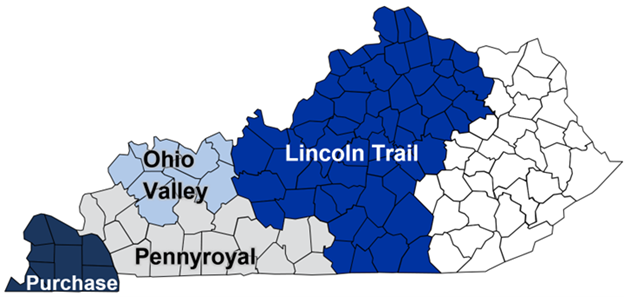
The Kentucky Farm Business Management Program is a program of the Department of Agricultural Economics at the University of Kentucky. Extension Specialists serve four Farm Analysis Associations working with cooperating members to improve farm management techniques and decisions through recordkeeping and analysis. Currently, KFBM serves 355 farms that are representative of 49 counties. KFBM specialists work closely with diverse farm cooperators, and this article will share some of the real-time observations that they have seen this spring.
Weather and Production Report
All KFBM regions are experiencing unusually dry conditions to start the 2026 growing season, with reports of significant rainfall deficits following a dry winter. The Purchase area is facing a deficit of nearly seven inches as of early April, and producers in Ohio Valley have likened the start of 2026 to the planting season of 2012 (the year of a historical drought). Concerns about soil moisture and crop establishment are starting to mount.
The warm, dry conditions have allowed for rapid field progress across the state. In all KFBM regions, planting has been underway for several weeks, and emergence of early soybeans has been spotted in Purchase and Pennyroyal. Ohio Valley producers also have most crops planted, while those in Central KY are finished with early soybeans, but corn acres are lagging with many Lincoln Trail producers citing drought conditions and the cost of a corn crop as reason to hold off for more optimal conditions. In the Purchase, dry conditions allowed early subsoiling and several acres of hog and chicken manure applications before spring planting.
Winter crops are progressing well throughout all KFBM regions. Wheat and canola in the Purchase and Pennyroyal are ahead of schedule due to warm temperatures, with yellow canola in full bloom for several weeks. The price outlook in the fall for wheat was dismal, and many producers reduced or even eliminated their wheat acres for 2026. Others traded wheat acres for additional canola acres, especially in the Purchase area, where the casual observer can note many more yellow fields across the region. Most producers have indicated they anticipate their wheat crop to be fair, if there aren’t any late weather surprises.
Livestock producers are closely monitoring the impact of dry conditions on forage, especially in Ohio Valley where concerns over pasture and hay availability are increasing. In the Lincoln Trail, pastures are currently in good condition but are starting to show signs of stress.
Financial News
Beginning with positive news, livestock producers within KFBM continue to report positive returns due to favorable market conditions. Producers in Lincoln Trail and Pennyroyal specifically mentioned using the increased profits to reinvest into their cattle operation, improve infrastructure, and/or reduce debt service.
Financial conditions across other KFBM producers remain tight, despite modest improvements in 2025 compared to 2024. Many farms would have reported losses for the second or third consecutive year without the assistance of emergency government payments such as the Farmer Bridge Assistance Program and the Supplemental Disaster Relief Program. While these payments provided short-term relief, they did not fully offset rising input costs and reduced margins.
Input expenses, particularly fuel and fertilizer, continue to climb, creating additional strain on already tight budgets. Many producers attempted to prepay fertilizer, but suppliers were unable to lock in prices, leaving farmers exposed to in-season price increases. Producers have cited rising insurance (health and business), land rent, and equipment (new purchases and maintenance/repairs) costs as additional line-item expenses that feel unsustainable with the current market.
Access to financing has also become more challenging. Some producers, particularly those who carried over operating debt from 2023 and 2024, are struggling, or were unable to secure operating loans for the 2026 crop. Crop projections for 2026 are tight and do not provide for additional funds to pay on old debts, or even an additional term debt payment on a refinance. This has led some producers to pursue alternative financing. Producers should be aware of higher fees associated with these financing options and should fully understand the fine print associated with these agreements.
Management Adjustments
KFBM producers are making careful management decisions to navigate tight margins and uncertain conditions. Farmers in Central Kentucky have dropped marginal acres, with some making the difficult decision to exit farming. KFBM producers in Pennyroyal, Purchase, and Ohio Valley have reduced marginal acres as well. A few producers in Pennyroyal have explored the possibility of converting crop ground to pasture, considering the favorable return within the cattle market.
Producers are critically evaluating all purchase decisions to prioritize efficiency and cost control. Some producers have observed increasing net profits at private input suppliers despite declining farm profits and have shifted more of their busin,ess to cooperatives – where they can have a say in how and when profits are returned to shareholders.
Fertility and chemical programs are being changed and evaluated, with more farmers implementing crop removal only programs, or adjusting their crop rotations. Capital investments continue to remain selective.
Farmer Sentiment and Outlook
KFBM producer sentiment reflects a mix of resilience and unease. The wellbeing of producers, their families, and the professionals they work with is a major concern as we embark on year three of a downturn in our agricultural economy.
KFBM specialists have the privilege of working with producers during the good times and the bad. Specialists continue to encourage producers to take care of themselves, and for those close to agriculture to check in on their neighbors and friends. Those that are struggling should reach out for help. Farming is a business, and sometimes the right business decision is to close or change. While it’s difficult for farmers to separate themselves from their business, the ability to do so is critical as poor economic conditions persist. well-being
Recommended Citation Format:
Kentucky Farm Business Management. "KFBM Spring 2026 Observations." Economic and Policy Update 26:4, Department of Agricultural Economics, University of Kentucky, April 30, 2026.
Author(s) Contact Information:
Related Information


